


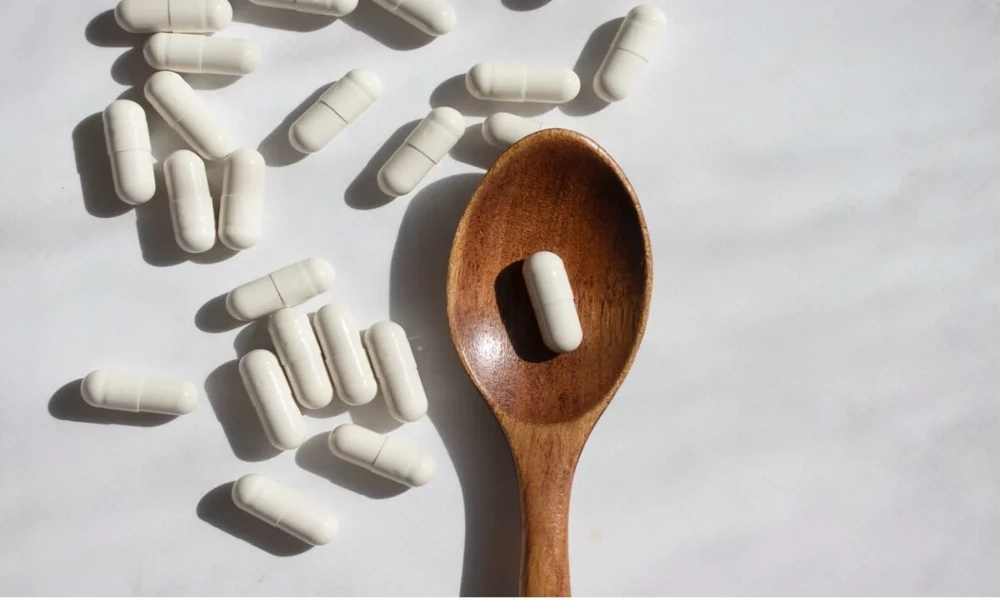
Probiotics have become more popular lately, especially as people learn that there is a connection between the digestive system and overall wellness. These helpful microorganisms live in some fermented foods. And you can also find them in dietary supplements.
Of course, every probiotic product you find online is different. So adding probiotic-rich foods into a balanced diet might boost digestive health. It may even help build a healthier gut if you use the right probiotics nz. It s important that you understand what the potential advantages can be for you.
Support a Healthy Gut Balance
Your digestive system holds trillions of microorganisms, with bacteria and other small microbes. They work together and create the gut microbiome. These matter for digestion as well as supporting other normal body functions.
Probiotics are live microorganisms. When you take them in adequate amounts, they can provide health benefits. When you bring a suitable supplement into your daily routine, it may help maintain a balanced gut microbiome. Keeping that balance is key.
Promote Digestive Comfort
A major reason why many people pick probiotics is for digestive support. Some probiotic strains have been proven to help with steady bowel habits and overall digestive comfort. However, remember that probiotic products aren’t all the same. Different strains can lead to different outcomes. Look at the exact strains and the amounts in a product.
Support Regular Bowel Habits
A healthy digestive system works better when bowel movements are regular. In that case, some probiotic strains may help keep normal intestinal activity going. This also helps with bowel regularity. Still, diet matters, too. A probiotic shouldn’t be treated like a replacement for basic health habits. Probiotics work best when they’re part of an overall balanced routine.
Maintain the Gut After Antibiotics
The gut microbiome balance can shift for a while while you are on antibiotics. Some probiotic strains may support digestive health during or after antibiotic treatment. If you’re thinking about taking a probiotic while you’re on medication, it’s smart to talk with a healthcare professional first.
Include Probiotic Foods in Your Diet
A supplement should not be a replacement for getting probiotics in your day. It is best to add probiotic-rich foods, too. Some fermented foods naturally include beneficial microorganisms. When you’re picking fermented products, take a close look at the label. See whether live cultures are actually included.
Consider Adding Prebiotics
Probiotics and prebiotics are connected, but they are not the same. Probiotics are beneficial live microorganisms, while prebiotics are certain types of dietary fiber and other compounds that act like food for gut microorganisms. Consider adding it to your diet, too.
Choose Supplements Carefully
If you plan to take a probiotic supplement, don’t just pick whatever is the most popular. Do not focus solely on the list of microorganisms on the label. Try instead to find options that fit you the most. Quality is a major factor to consider. Only buy probiotic supplements from trusted sources. Proper storage counts as well. Pprobiotics are living microorganisms. They can be sensitive to environmental conditions.
Set Realistic Expectations
Probiotics are not an instant fix. The effects may differ for you. Some see a change in digestive comfort quickly. Still, others might barely notice anything. Keeping it consistent matters. A probiotic should work along with better eating habits.
Conclusion
Many people are considering adding probiotics for good reasons, especially to support digestive health and a balanced gut microbiome. Still, the actual probiotic benefits depend on the specific factors – strain, dose, individual factors, and the reason you’re using it. If you’re not sure which probiotic fits you, it’s smart to talk with a qualified healthcare professional before you start supplementation.