
Which strains matter most?
Exhale’s extra strength kratom gummies bring together red, green, and white vein varieties in one formula, and understanding what each strain contributes explains why blended products outperform single-strain options for most consumers.
- Red vein sits heaviest in the relaxation category. Maeng Da earns consistent mention across all three colour types because alkaloid density stays high across harvests and batch behaviour stays predictable.
- Green vein walks a middle line, pairing mild energy with background calm that works across midday sessions.
- White vein reads more stimulating and shows up frequently in morning-oriented products where mental sharpness takes priority.
Blended formulas have grown popular precisely because single-strain products carry sharper edges that not every consumer tolerates well. Layering selected vein types means the experience unfolds in stages rather than landing as a single flat note. Tree maturity at harvest and regional soil conditions both lift alkaloid concentration naturally, which is why origin documentation carries real weight on any product label.
What dosage works?
No universal serving exists for kratom gummies because tolerance, body weight, and prior exposure each shift the picture considerably. Starting at the lowest printed amount and waiting a full hour before reconsidering is the only approach that actually protects the session.
Most people find their range across several sessions rather than in one sitting. Jumping straight to larger amounts skips the feedback that earlier sessions provide, making it harder to identify where the experience turns uncomfortable.
An hour between the first and any second serving smooths the onset considerably, turning what might feel abrupt into something the body processes gradually. Evening timing suits experimentation better since daytime obligations create pressure to cut sessions short.
What quality indicators show?
Filtering begins with lab paperwork. A certificate of analysis from an accredited facility should be able to list mitragynine and 7-hydroxymitragynine percentages along with heavy metal and contamination results.
The recipe shows the ingredients. Gummy base, herbal extract, and natural flavouring make this product well-made. There is usually filler added to low-grade extracts to stretch them towards a stated amount.
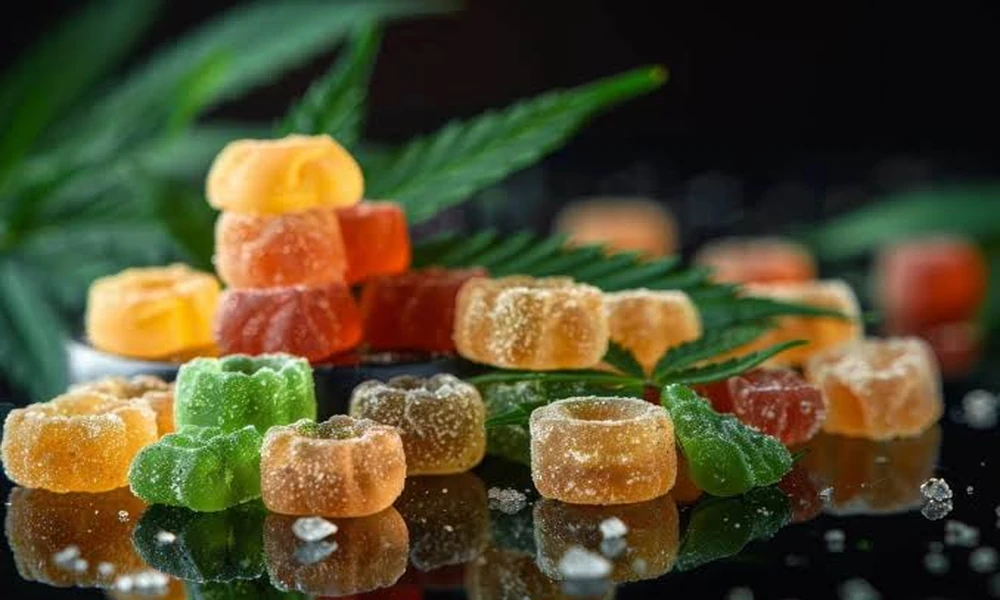
Piece consistency tells its own story. Uniform size, colour, and texture across every gummy in a jar point toward even infusion during production. Irregular pieces with dramatic colour variation suggest mixing problems that affect alkaloid distribution across servings.
How to choose between products?
Published alkaloid percentages and accessible batch reports separate products worth considering from those relying purely on packaging appeal. A producer unwilling to share current third-party documentation removes the only objective check a buyer has.
Consumers overlook texture as an indication of manufacturing care. Soft, uneven pieces hold infused content better than hard, evenly shaped ones. Formulation efforts reflect how well a formula addresses bitterness without drowning everything in sugar. Producing artificial sweeteners conceals poor extract quality, but the aftertaste exposes it. Repeat buyers’ feedback on independent forums has more weight than curated reviews.
A well-selected strain rewards careful selection with consistent alkaloid content, a reliable serving time, and a predictable flavour profile. Strain knowledge, patient amount finding, lab verification, and texture assessment together build the framework every informed purchase should follow.