
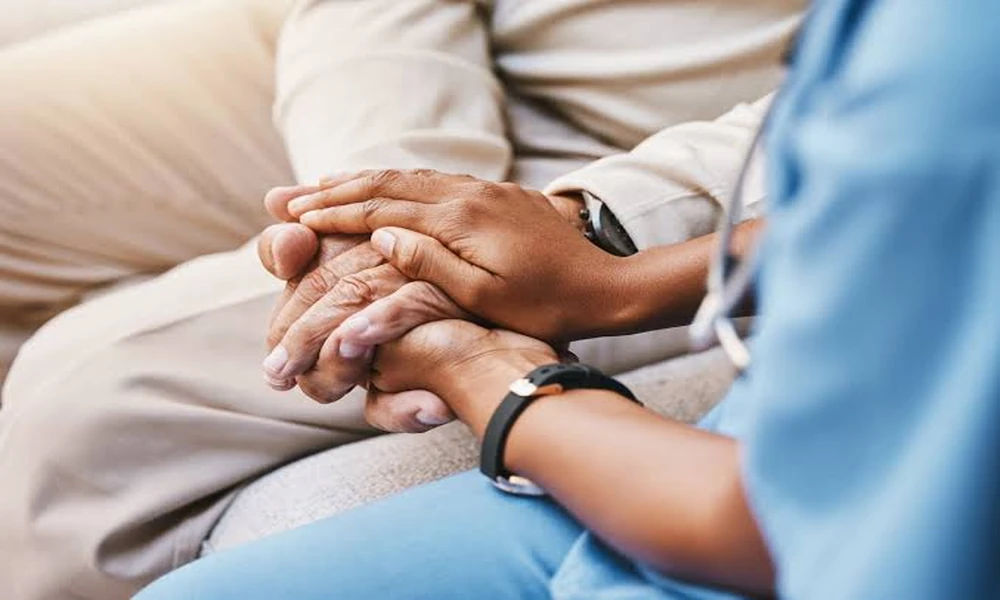
Cancer treatment has evolved far beyond isolated chemotherapy sessions or surgical interventions. Modern oncology recognises that effective care requires a coordinated approach addressing not only the disease itself but also the physical, emotional and practical challenges patients face throughout their journey. Integrated cancer care brings together medical specialists, support services and rehabilitation experts to deliver treatment that considers the whole person rather than simply targeting tumour cells.
This shift towards comprehensive care models has demonstrated measurable benefits in both clinical outcomes and patient wellbeing. When oncologists, radiologists, surgeons, nutritionists and mental health professionals work as a unified team, patients experience fewer treatment delays, better symptom management and improved survival rates. The approach also reduces the burden on patients who might otherwise spend months coordinating appointments across multiple departments and facilities.
The Core Components of Integrated Oncology Services
Integrated cancer care centres typically house diagnostic imaging, pathology laboratories, treatment facilities and support services under one roof or within a closely connected network. This physical proximity matters more than many realise. When a patient undergoes a CT scan and the images are immediately available to the oncologist down the hall, treatment planning begins faster. When the radiotherapy suite sits two floors above the medical oncology clinic, adjustments to combined treatment protocols happen in real time rather than through weeks of referral correspondence.
Multidisciplinary tumour boards form the operational heart of these centres. Each week, specialists from different fields review complex cases together, debating treatment options and reaching consensus on the best path forward. A patient with locally advanced colorectal cancer might benefit from neoadjuvant chemotherapy followed by surgery, or perhaps radiotherapy first to shrink the tumour. These decisions carry significant consequences, and having surgical, medical and radiation oncologists in the same room produces more nuanced, evidence-based plans than isolated consultations ever could.
Managing Treatment Side Effects Through Coordinated Support
Chemotherapy, immunotherapy and radiation each produce distinct side effects that can derail treatment if not managed proactively. Nausea, fatigue, neuropathy and immune suppression require vigilant monitoring and swift intervention. In fragmented care settings, patients often wait days for callback appointments when side effects emerge. Integrated centres employ on-site supportive care teams who can assess problems immediately and adjust medications or treatment schedules before complications escalate.
Nutritional support proves particularly crucial during cancer treatment. Many patients lose significant weight and muscle mass, which directly impacts their ability to tolerate therapy and recover between cycles. Dietitians embedded within oncology teams track nutritional markers alongside tumour response, recommending supplements, appetite stimulants or feeding tubes when oral intake becomes inadequate. This parallel focus on maintaining physical condition throughout treatment contributes to better completion rates and fewer dose reductions.
Pain and Symptom Control
Uncontrolled pain remains one of the most feared aspects of cancer for patients and families. Palliative care specialists working alongside oncologists provide sophisticated pain management that goes well beyond standard analgesics. Nerve blocks, intrathecal pumps and interventional procedures can address specific pain syndromes while preserving quality of life. Just as chronic conditions like persistent spinal discomfort require specialised pain management strategies, cancer-related pain benefits from expert assessment and individualised treatment plans that evolve as the disease and therapy change.
Access to Specialised Cancer Treatment in the UAE
Patients in Abu Dhabi and across the Emirates now have access to world-class oncology services without travelling abroad for treatment. Institutions offering comprehensive programmes combine international expertise with regional understanding of patient needs and cultural considerations. For those requiring advanced treatment for solid tumours or haematological malignancies, facilities like the cancer hospital abu dhabi provide multidisciplinary teams, modern therapeutics including targeted agents and immunotherapies, and the full range of supportive services that characterise integrated care. These centres participate in international clinical trials, giving eligible patients access to experimental treatments that might offer advantages over standard options.
Psychological and Social Dimensions of Cancer Care
A cancer diagnosis triggers profound psychological distress that persists long after treatment concludes. Anxiety about recurrence, grief over lost capabilities, strained relationships and financial worry all require attention alongside medical intervention. Integrated care models embed psychologists, psychiatrists and social workers within oncology teams so that mental health support becomes a standard component of treatment rather than an afterthought.
Depression affects approximately one in four cancer patients, yet often goes unrecognised and untreated. When oncology nurses screen for mood disorders at each visit and mental health professionals see patients in the same building where they receive chemotherapy, the barriers to accessing psychological care diminish substantially. Some centres offer group therapy sessions, mindfulness programmes and survivorship workshops that help patients process their experience and develop coping strategies alongside others facing similar challenges.
Rehabilitation and Recovery Services
Physical therapy plays an underappreciated role in cancer recovery. Surgery, radiation and prolonged illness cause muscle wasting, reduced cardiovascular fitness and loss of functional independence. Cancer rehabilitation programmes address these deficits through structured exercise, strength training and occupational therapy. Patients recovering from head and neck cancer might need swallowing therapy; those who have had lymph node dissection require lymphedema management; breast cancer survivors benefit from specific exercises to restore shoulder mobility.
Starting rehabilitation early, even during active treatment, produces better outcomes than waiting until therapy concludes. Patients who maintain activity levels throughout chemotherapy experience less fatigue and preserve more functional capacity. Integrated centres incorporate physiotherapy and exercise oncology into treatment plans from diagnosis, treating physical reconditioning as essential to recovery rather than optional aftercare.
The Role of Academic Medical Centres in Cancer Care
Large academic medical centres contribute significantly to advancing cancer treatment through research, education and innovation. These institutions often house the latest technology, from advanced imaging systems to precision radiotherapy equipment, and employ specialists who focus exclusively on particular cancer types. The depth of expertise available at comprehensive cancer centres means that rare tumours and complex cases receive attention from clinicians who have treated similar patients hundreds of times. Many patients travel considerable distances to access specialised cancer centres that combine clinical excellence with active research programmes exploring new treatment approaches.
Measuring Success Beyond Survival Rates
Traditional oncology metrics focused almost entirely on tumour response and survival duration. Modern integrated care expands success criteria to include quality of life, functional status, symptom burden and patient satisfaction. A treatment that adds six months to life but leaves patients bedbound and miserable may not represent the best choice for everyone. Shared decision-making processes help patients weigh trade-offs between aggressive therapy and quality time, incorporating personal values into treatment selection.
Patient-reported outcome measures now capture data on pain levels, emotional wellbeing, physical function and treatment satisfaction. This information guides care adjustments and helps teams identify when additional support services might benefit particular patients. The goal extends beyond keeping people alive to helping them live as well as possible throughout and after cancer treatment.
Practical Considerations for Patients and Families
Choosing where to receive cancer treatment represents one of the most consequential decisions patients face. Integrated care centres offer clear advantages in coordination and convenience, but not all facilities provide the same depth of services or expertise. Patients should inquire about the range of specialists available, participation in multidisciplinary tumour boards, access to clinical trials, and availability of supportive services including nutrition, psychology and rehabilitation.
The physical and emotional demands of cancer treatment make logistical simplicity valuable. Travelling between multiple hospitals for scans, consultations and therapy adds burden at a time when patients have little energy to spare. Centres that consolidate services reduce this friction, allowing patients to focus on treatment and recovery rather than navigation and coordination. Family members also benefit when they can attend multiple appointments in one location rather than spending days accompanying loved ones across a city.
Integrated cancer care represents the current standard for comprehensive oncology, bringing together the medical expertise, technology and support services patients need throughout their journey. As treatment options continue to expand and become more complex, the coordination and communication inherent in integrated models will only grow more essential to delivering care that truly serves patients’ complete needs.