


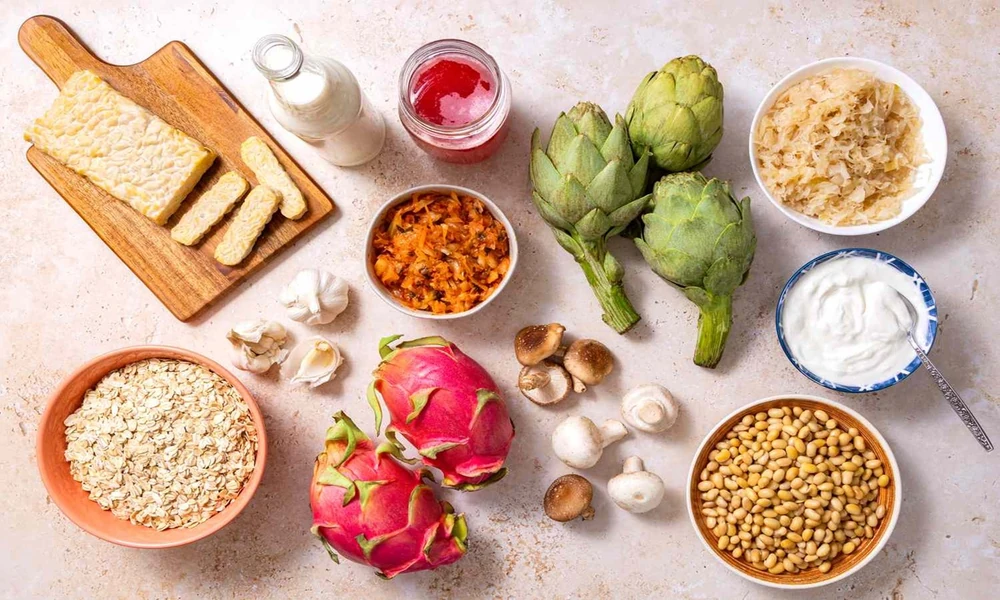
The best food for gut health is not a single item but a pattern of eating that consistently feeds the bacteria in the digestive tract with the variety they need to thrive. The gut microbiome is shaped by diet over years. What a person eats regularly determines which bacterial species flourish and which decline. Foods that support a diverse and well-balanced microbiome tend to be fermented, fibre-rich, or both. Singapore’s diverse food culture offers more of these than most people realise.
The Gut Microbiome and What It Needs
The human gut hosts trillions of microorganisms. Bacteria are the most numerous, but fungi, viruses, and other organisms also form part of the community. These microorganisms perform functions the human digestive system cannot do alone: breaking down certain plant compounds, producing vitamins, regulating immune responses at the gut wall, and communicating with the nervous system.
A diverse microbiome, one with a wide range of bacterial species, is associated with better digestive health, stronger immune function, and more stable mood. A low-diversity microbiome is associated with inflammation, digestive discomfort, and higher susceptibility to certain chronic conditions.
Diet is the primary lever through which the microbiome can be shaped. The best foods for gut health share the property of either adding beneficial bacteria directly (fermented foods) or feeding the bacteria already present (fibre-rich foods).
Fermented Foods
Fermented foods contain live bacteria introduced through the fermentation process. Yoghurt, kefir, miso, tempeh, kimchi, and traditional sauerkraut are among the most studied.
Yoghurt provides Lactobacillus and Streptococcus strains that support the composition of the gut microbiome and help break down certain food compounds. Kefir, a fermented milk drink, carries a broader range of bacterial strains than most yoghurts.
Miso and tempeh, both traditional soy-based fermented products, are part of Singapore’s broader Asian food culture and provide bacterial diversity alongside plant-based protein. Including fermented foods from different categories across the week introduces more microbial variety than relying on a single fermented source.
Prebiotic Fibre
Probiotics are the live bacteria. Prebiotics are the foods that feed them. Most prebiotic fibre comes from plant foods, garlic, onion, leek, banana, oats, asparagus, legumes, and whole grains. These fibres pass through the upper digestive tract largely intact and arrive in the large intestine where the gut bacteria ferment them.
The fermentation of prebiotic fibre produces short-chain fatty acids, particularly butyrate – that nourish the cells of the intestinal wall, reduce inflammation, and help maintain the gut barrier that separates the digestive contents from the bloodstream.
As Minister Ong Ye Kung has observed about preventive health in Singapore: “The best healthcare system is one that keeps people well.” For gut health, keeping the microbiome well through consistent dietary choices is exactly that kind of prevention.
Polyphenol-Rich Foods
Polyphenols are plant compounds found in berries, tea, dark chocolate, coffee, red wine, olives, and many herbs and spices. Research suggests that polyphenols support the growth of beneficial bacterial species and inhibit the growth of less beneficial ones.
Singapore’s food scene is rich in polyphenol sources: green tea in most kopitiams, turmeric in curry pastes, blueberries in grocery stores year-round, and a wide variety of herbs and spices in both local and international cooking. Incorporating polyphenol-rich foods into regular meals adds a microbiome-supporting element to eating patterns that may already include fermented foods and prebiotic fibre.
Foods That Work Against Gut Health
Eating for gut health is also about reducing inputs that disrupt the microbiome. Ultra-processed foods with artificial additives, emulsifiers, and high sugar content have been associated with reduced microbiome diversity. Artificial sweeteners such as saccharin, sucralose, and aspartame disrupt the balance of gut bacteria in ways that are being studied but already appear clinically relevant.
The practical adjustment is not eliminating these foods entirely but reducing their frequency relative to gut-supporting whole foods.
Daily Fresh Dairy for Gut Health
Daily Fresh Dairy produces fermented dairy products that contribute to the best food for gut health eating pattern. Their yoghurt and related dairy products carry live probiotic cultures and a natural nutritional base that supports long-term digestive wellness for Singapore consumers building a gut-conscious daily diet.